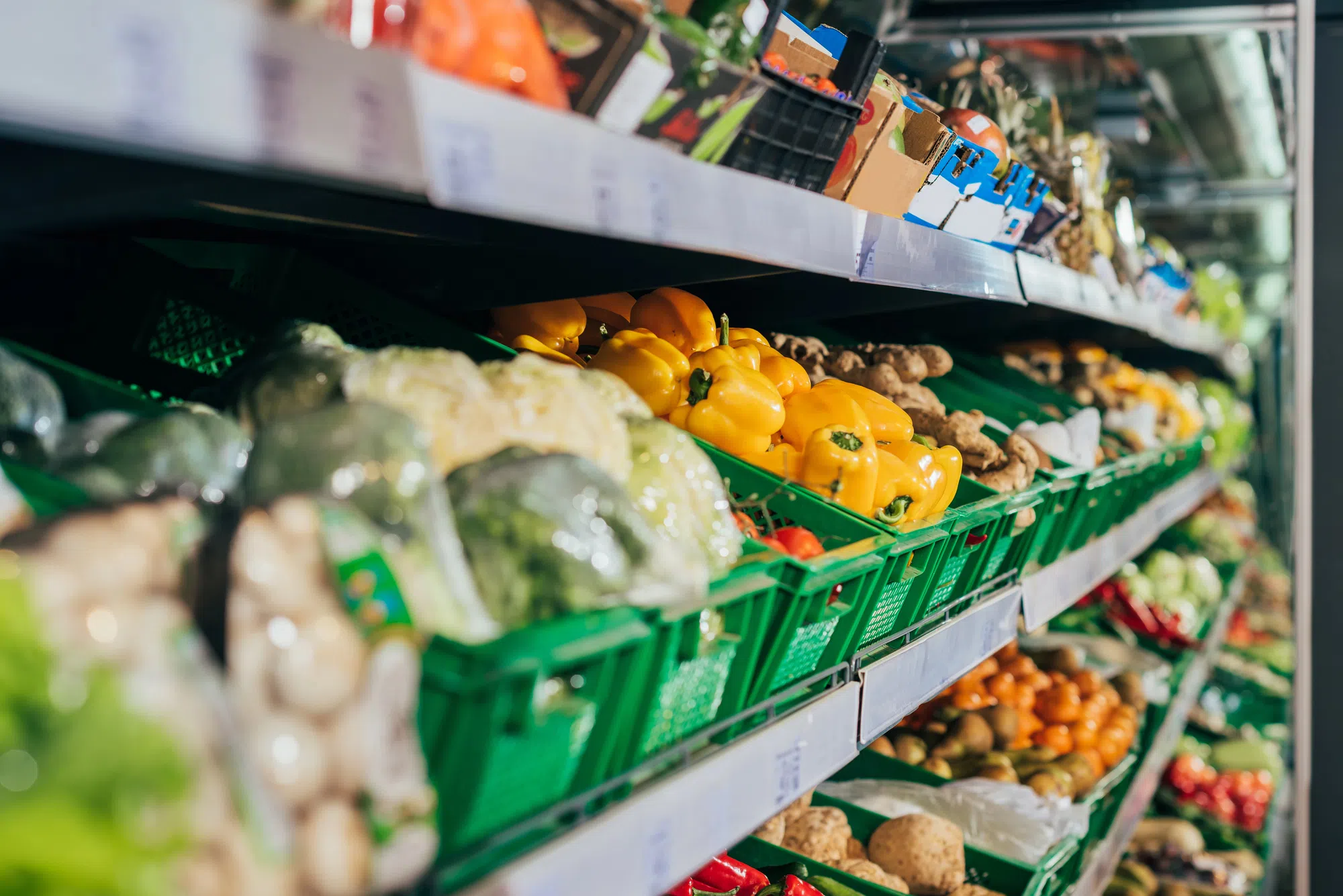
CONLEY COMMENTARY (WSAU) – Deep down inside, I’m sure that candidate for governor Mandela Barnes likes the idea of city-owned and run grocery stores. But these projects have failed spectacularly before. Kansas City tried it; all five of those stores are now closed. They were poorly stocked and expensive. Even those who lived in food deserts preferred to shop at “real” grocery stores.
The Barnes campaign proposes state grants for ma and pa grocery stores. If these businesses fail, it will be less obvious that the state is bankrolling them. And they will fail. If a grocery store was viable in these areas, the free market would supply one.
Barnes even misdiagnoses the problem. He claims Trump tariffs are forcing grocery stores out of business.
Here’s a idea that might actually work, but Mandela will never propose: Partner with Aldi, and give them incentives to open more stores. Aldi is the least-expensive, deepest discount grocer that operates in the United States. A poor family that depends of foodshare could stretch their dollars further if they could shop there. But Mandela Barnes won’t touch Aldi with a 10-foot pole.
Why?
To start, Aldi is a foreign company. They’re German, and are not a mom-and-pop operation. Aldi is non-union. Their stores don’t have on-premises butchers and produce managers; they’re the people who make the big bucks at a traditional grocery store. Aldi runs their stores with only five people on the premises. Their food is pre-packed and put onto the shelves in the shipping boxes they came in. And Aldi undercuts a traditional unionized grocery store on price – on everything they sell.
So if the real problem is that food is too expensive, then create a pro-Aldi policy. The free market, which always works better than government intervention, has already found a way to provide more food at lower cost.
Chris Conley




Comments