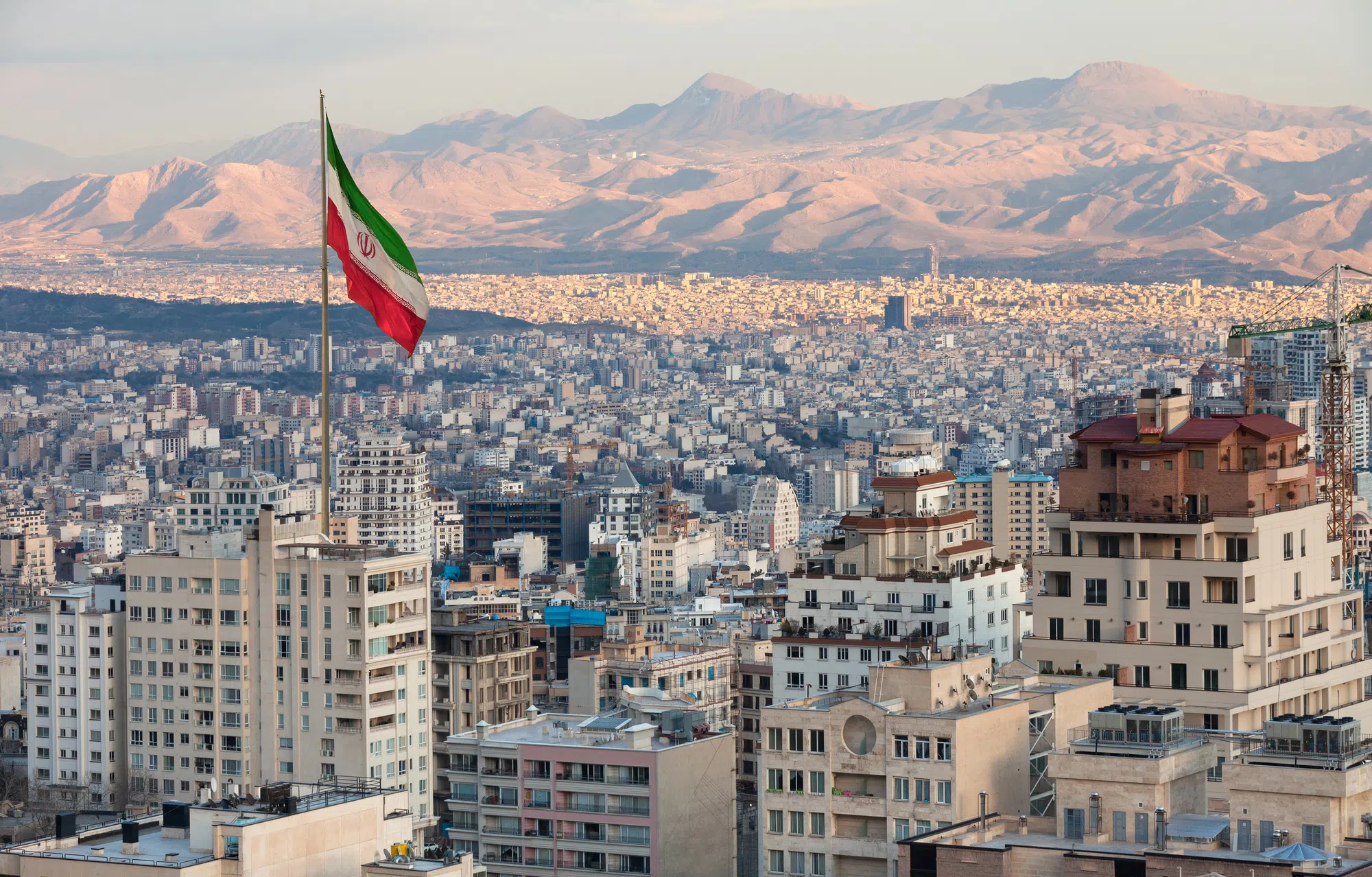
Borna_mir / Depositphotos.com
DUBAI/WASHINGTON, June 15 (Reuters) – U.S. and Iranian officials said on Sunday they have agreed on a peace framework for a deal to end their war, halt the U.S. blockade of Iran and reopen the Strait of Hormuz, possibly leading to lower energy prices once oil shipments resume through the critical waterway.
“The Deal with the Islamic Republic of Iran is now complete,” U.S. President Donald Trump wrote on his Truth Social platform around 5:30 p.m. ET local time in Washington (2130 GMT) on Sunday. His post came shortly after Pakistan Prime Minister Shehbaz Sharif, whose country has served as a mediator, announced a deal had been struck early on Monday local time.
The pact will be officially signed on Friday in Switzerland, Sharif wrote.
The precise terms were not immediately known. Sharif said in a post on X that the pact called for “the immediate and permanent termination of military operations on all fronts, including in Lebanon.”
Lebanon has been a sticking point in negotiations, with Israel and Hezbollah ignoring calls from Trump and others to stop their attacks on each other in recent weeks.
Trump said the Strait of Hormuz, a major shipping lane for global energy supplies that Iran has effectively shut down for months, would open on Friday, and that he had ordered the end of the U.S. blockade of Iranian ports. “Ships of the World, start your engines. Let the oil flow!” Trump wrote.
Oil prices fell on the news. Brent crude futures fell 4% in early trading on Monday, while U.S. West Texas Intermediate slid more than 4.6%.
A senior Iranian official earlier told Reuters that, under the terms of the draft deal, the United States would agree to release $25 billion of frozen Iranian assets, while Iran would agree not to produce or acquire nuclear weapons. The official said Iran agreed to maintain the nuclear status quo, including no uranium enrichment or expanding nuclear facilities, until a final deal is reached.
A U.S. official, speaking before the deal was announced, said the agreement would ultimately lead to the dismantling of Iran’s nuclear program, with its stockpile of highly enriched uranium to be destroyed and removed. A senior Iranian official said the draft deal would allow Iran, which denies seeking a nuclear bomb, to dilute its enriched uranium inside the country.





Comments