
emashurov / Depositphotos.com
CONLEY COMMENTARY (WSAU) – There are great scenes in the movie All The Presidents Men that were filmed in the Washington Post’s newsroom.
If you’re familiar with the movie – it’s about the Bob Woodward and Carl Bernstein reporting on Watergate – you should remember something important. Everything you saw in that newsroom; the typewriters, the telex machines, the desks, the carpeting – everything – was owned by one person: Katherine Graham. She took over the newspaper when her husband died. She would have been completely within her rights to say something like, “ya know, this Watergate story scares me. We’re implicating the President of the United States. What if our anonymous sources are wrong? I think we should kill the story.” When you own the newspaper, you get to make those decisions. If her editor, Ben Bradlee, and her reporters disagreed, they’re free to resign.
That’s why the ending of last week’s 60 Minutes broadcast is so extraordinary. Executive Producer Bill Owens resigned last month because the network’s owner, Paramount, had begun monitoring the broadcast for negative news about Donald Trump. Correspondent Scott Pelley went off script and told his audience “that Paramount, our parent company, is trying to conclude a merger. The Trump Administration must approve it. Paramount began to supervise our content in new ways.” He added, “none of our stories has been blocked.”
What the 60 Minutes crew is forgetting is this: their studios, their cameras, the expense accounts as they jet-set around the world for content, their paychecks… are all funded by their owners, Paramount. To suggest that the entity that foots the bill for everything has no say about what is actually broadcast is naive.
Perhaps you remember the Gong Show. I know, not exactly the high and lofty 60 Minutes. The producer of that broadcast, Chuck Barris, was having constant disagreements with NBC – the show’s owner about racy and suggestive content. He invited porn stars onto the set to introduce him. Many of the “acts” were risque. In one episode two young women performed a sex act using popsicles. Ratings be damned, the show was cancelled.
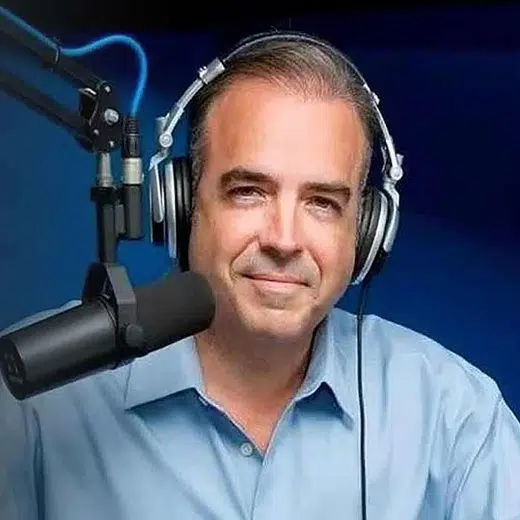
I’m always aware of who owns the microphone that I speak into. And I have broad leeway over the things I say and how I say them. And that’s the result of working here for 21 years, and the trust and mutual respect that’s developed over that time.
I’m amazed that so many reporters and broadcasters, many who’ve had more distinguished careers than me, don’t understand that. The free speech and freedom of the press rights belong, not to them, but to the owner.
Chris Conley




Comments