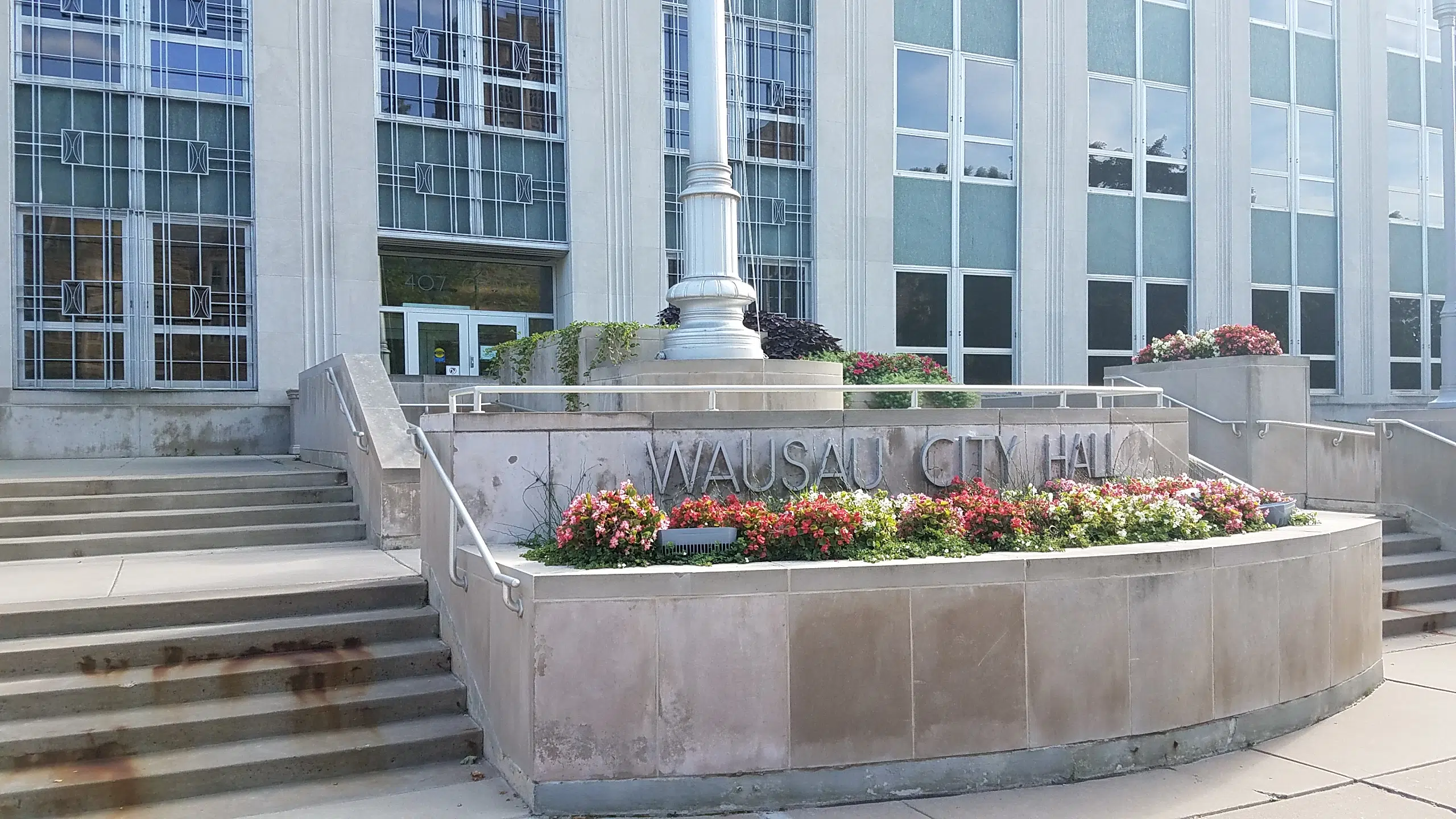
Wausau City Hall. MWC file photo
CONLEY COMMENTARY (WSAU) – At this week’s city council meeting, Wausau alderwoman Vicki Tierney came up with a brilliant idea.
She said that she’d be voting ‘no’ on every agenda item. It was the council’s final meeting since the spring elections. Tierney said the newly elected members of the city council should make the city’s spending decisions.
But city finance director Maryanne Groat quickly responded that everything on the council agenda had been placed there before the election. All of the items had been reviewed and vetted by the current council, so the current council should feel free to vote on them.
And, with that, the city’s business chugged forward.
Alder Tierney was right.
There are four new members of the city council who will be sworn in next week. Several of them defeated current council members – situations where the voters said “you,” not “you.” So why should someone who was rejected and replaced by their neighbors get to decide on millions of dollars in spending before the walk out the door? Some will argue that any elected official holds the full power of their position for every day or hour of their term. I would argue that lame duck politics often leads to the worst outcomes. Newly elected officials should take their seats immediately.
So the city council signed off on $10-million in bonds. And $700,000 to cover a lead pipe removal shortfall. $900,000 for the parking and recycling program. Funding for a new dispatching system for the city’s busses. Additional money for construction projects that were started last year and need to be finished this year. The items were routine, the ‘yes’ votes were expected.
But new members of the city council were denied the opportunity to question the amounts. To propose cost savings. To suggest that in a rising cost/less tax revenue environment even routine spending needs to be questioned.
The final meeting of the Wausau city council gave us more of the same. City spending is on autopilot. It is forever increasing, and there’s very little anyone can do about it.
That’s what needs to change.
Chris Conley




Comments