ventanamedia / Depositphotos.com
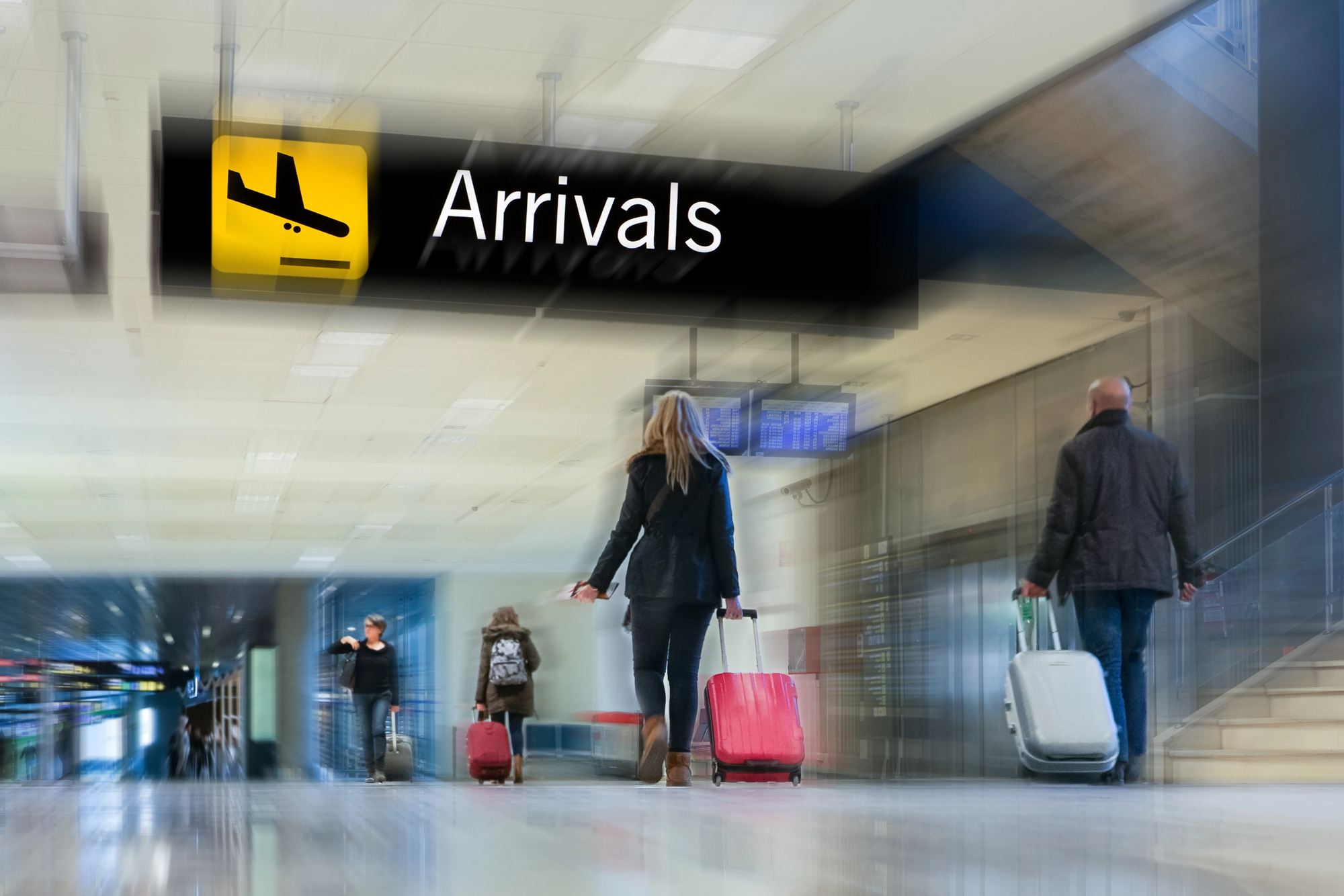
CONLEY COMMENTARY (WSAU) – Soon you’ll notice two new things at the airport.
First, airports are phasing in new 3D body scanners. When you pass through security they’ll be able to verify your identity faster. On busy travel days more passengers will be able to be screened with greater efficiency. In theory; shorter, faster-moving lines.
The other change is smaller and more superficial. The TSA agent who checks your identity — drivers license or passport – will be standing at the checkpoint instead of sitting down. Standing apparently is less intimidating for passengers. I think that’s silly. Asking a TSA agent to stand for most of their shift is a lot; and if my travel documents are in order, I have no reason to feel intimidated.
Here is the dirty little secret about airport security. It’s all for show. The number of actual guns that the TSA has kept off airplanes is… zero. Certainly 25 years of enhanced airport security has prevented some bad actors from trying. But the number of firearms kept off airplanes through airport checkpoints is ‘none’.
At least we are spending money to using manpower to speed up the process. At some airports you no longer have to remove your belt or shoes. Other airports with high-tech X-ray machines are so good that you don’t have to take your laptop out of your luggage.
What IS appropriate is a complete re-thinking of airport security. Yes, the days of running through the airport to board your plane a few minutes before take-off are over. But telling people to show up three hours before their flights during the holidays should end too.
Here are two truths about airport security today. TSA funding has become a political football every time there’s a government shutdown. That serves no one. And most plots against aviation today involve insiders – like flight crews, people who have access to airplanes, like maintenance or cleaning staff, or people who are taken around regular security as VIPs by co-conspirators. None of those scenarios can be stopped by the TSA. New approaches are needed.
Chris Conley




Comments